500 Calories Per Day: The Shocking Truth About Ultra-Processed Foods and Overeating
The Hidden Epidemic in Middle Grocery Aisles
Ultra-processed foods aren't just making you overweight—they're literally rewiring your appetite and metabolism, causing you to eat hundreds of extra calories every single day. Even when scientists set up fair fights—matching meals for sugar, fat, fiber, sodium, and total calories—ultra-processed foods make people unconsciously pile on more food and gain weight, fast.
A landmark NIH study found that adults eating ultra-processed meals consumed 508 extra calories per day and gained nearly 1 kg (2 pounds) in just two weeks. Switching to minimally processed foods caused spontaneous weight loss—without counting calories or changing portion sizes. This isn't a story about lack of willpower. It's the result of food design, processing, and how these products hijack your brain and stomach.
What ARE Ultra-Processed Foods?
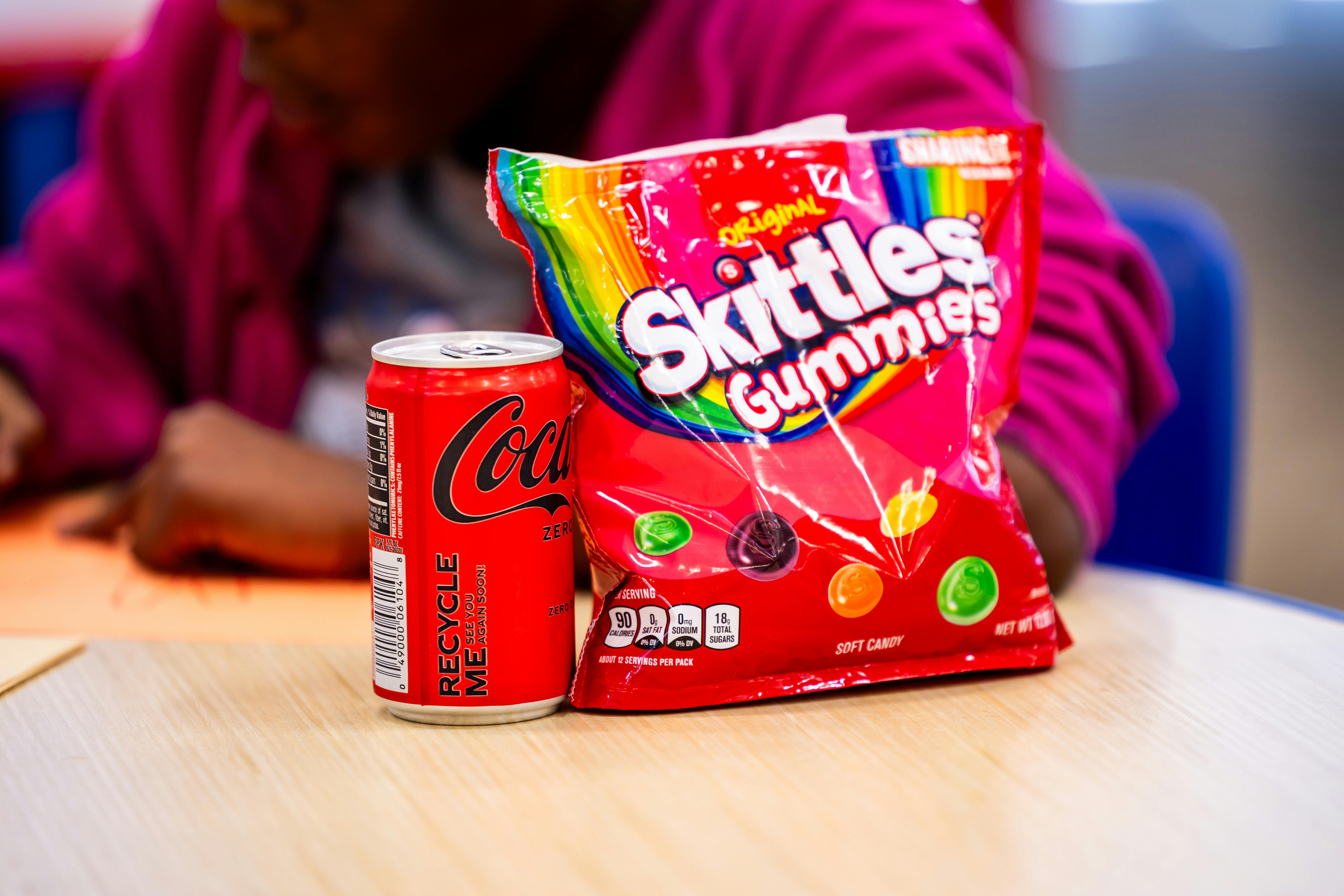
Ultra-processed foods (UPFs) are industrial creations in the NOVA classification system: items containing additives, flavors, colors, texturizers, and ingredients you wouldn't find in a kitchen. Think: packaged snacks, instant noodles, sugary cereals, sodas, candies, frozen meals, shelf-stable breads, most "meal replacement" bars, and even heavily processed plant-based proteins.
These foods make up over 50% of total calories for most Americans, and up to 80% of food sales in grocery stores. In short, ultra-processed foods have become our default diet.
The NIH Study: Overeating Engineered
The pivotal NIH randomized, inpatient trial is the gold standard: 20 healthy, weight-stable adults were admitted to a clinical ward for four weeks.
Design: Every meal was matched for macronutrients, calories, sugar, sodium, fiber, and more.
Protocol: Participants could eat as much or as little as they wanted.
- Ultra-processed diet: +508 kcal/day, +0.9 kg (2 lbs) in 2 weeks.
- Unprocessed diet: –0.9 kg (2 lbs) in 2 weeks.
The only difference: the extent of processing.
Critically, participants weren't aware of eating more. They felt just as full—yet still consumed hundreds of excess calories per day.
Multiple other worldwide trials, including recent studies in Japan and France, have verified this: ultra-processed foods reliably increase daily intake by 500–800 calories, leading to rapid weight gain under tightly controlled conditions.
HOW Ultra-Processed Foods Hijack Your Brain
1. Delayed Satiety
UPFs make it easier to eat fast, with less chewing and less fiber, so fullness signals lag behind calorie intake. Meals are soft, easy to swallow, and pack more calories per bite—your gut doesn't register fullness quickly enough, so you keep eating past the point of real physical need.
2. Hyper-Palatability & Reward
These foods flood your taste buds with a potent mix of sugar, salt, fat, and synthetic flavors, triggering dopamine release in your brain's reward centers like alcohol or nicotine. Brain imaging studies show rewiring of areas responsible for pleasure, motivation, and repetitive eating, resembling drug addiction patterns.
3. Chemosensory Manipulation
Ultra-processed foods alter the taste palate and sensory satiety responses, reinforcing a new "normal" for flavor intensity and making whole foods seem bland or unsatisfying. Habitual consumption literally makes it harder for your brain to prefer natural foods again.
4. Hormonal Disruption
Frequent UPF intake disrupts the balance of key satiety hormones, like leptin and peptide YY, making you less likely to feel full and more likely to snack round-the-clock. Increased blood sugar swings and insulin spikes also fuel cravings for more processed carbohydrates.
It's NOT Just Salt, Sugar, Fat
This isn't some "junk food is bad for you" cliché. The NIH study wiped out those excuses by matching for salt, sugar, fat, calories, and even fiber between diets. Something about the processing itself—how the food is made, structured, and designed—causes overconsumption and metabolic disruption.
UPFs are concocted to exploit modern biology: quick eating, neurochemical reward, sensory manipulation, and hormonal delay. The outcome? Unconscious overeating, insatiable cravings, and weight gain passed off as "normal," "convenient," and "affordable" food.
How Fast Can UPFs Affect Your Health?
- 2 weeks: +2 lbs; +500 calories/day
- 21 days: +1.5 kg; hormone/hunger disruption, impaired cardiometabolic health, and early insulin resistance
- Long term: Elevated risk for obesity, diabetes, cardiovascular disease, cancer, depression, and cognitive decline
The health impact is near-immediate—and long-lasting. The clinical studies aren't just correlation; they are causation.
Are All Packaged Foods Ultra-Processed? What Counts?
Some minimally processed foods—frozen veggies, canned beans, unsweetened Greek yogurt—aren't ultra-processed and usually don't cause these effects. Watch out for:
- Long ingredient lists (especially unrecognizable ones)
- Added sugars, refined starches, or fats
- Artificial flavors, colors, or sweeteners
- Shelf lives of months or years
- Brand claims of "natural" or "healthy" with more than five added ingredients
What You Can Do to Escape the UPF Trap
1. Maximize Real Foods
Center your diet on fresh vegetables, fruits, eggs, fish, poultry, whole grains, plain nuts/seeds, olive oil, and water. The more "single ingredient," the better.
2. Minimize UPFs, Not Just Junk
Even "healthy" looking items—protein bars, diet breads, vegan cheeses, flavored yogurts—often count as UPFs.
3. Slow Down, Savor, Chew
UPF meals are designed for speed-eating. Take longer, chew slowly, put your fork down between bites. It's clinically proven to reduce calorie intake.
4. Retrain Your Taste Buds
Spend 2–3 weeks eating only minimally processed foods. Your palate will adapt, reducing cravings for UPFs over time.
5. Read Ingredient Lists
If it looks like a chemistry experiment, skip it. No food should need a paragraph of ingredients to taste good.
6. Track Your Intake
Be aware—not obsessive. Track your UPF consumption for a week and compare it against recommended ranges (<10% of calories).
The Bottom Line
Ultra-processed foods aren't "junk food"—they are engineered to make you overeat through reward pathways, hormonal disruption, and delayed satiety. Even matched for calories and nutrients, they cause rapid weight gain, hidden metabolic damage, and unconsciously drive you to eat hundreds of extra calories per day.
To lose weight, truly change your body composition, or improve health risks, the single biggest diet upgrade is minimizing ultra-processed foods. The science is settled: eat real food, mostly plants and protein, and leave the chemistry set to the scientists.
Scientific References
- Hall KD, Ayuketah A, Brychta R, et al. Ultra-processed diets cause excess calorie intake and weight gain: An inpatient randomized controlled trial of ad libitum food intake. Cell Metab. 2019;30(1):67-77.e3. doi:10.1016/j.cmet.2019.05.008
- Harvard School of Public Health. Obesity, disease rising with consumption of ultra-processed foods. Dec 2023.
- Washington Post. What a scientist who studies ultra-processed foods eats in a day. Oct 1, 2025.
- Galdino-Silva MB, et al. A Meal with Ultra-Processed Foods Leads to a Faster Rate of Intake and to a Lesser Decrease in the Capacity to Eat Compared to a Similar, Matched Meal. J Nutr Sci. 2024;13:e41.
- Mottis G, et al. The consequences of ultra-processed foods on brain mechanisms: A review of human studies. Cell Reports Medicine. 2025;6(6):102345.
- University of Tokyo Hospital. Ultra-processed foods cause weight gain and increased energy intake. 2024.
- Barrès R, Institute of Molecular and Cellular Pharmacology of Sophia Antipolis. Ultra-processed foods cause negative health effects within weeks—study finds. Cell Metabolism. Aug 2025.
- Vitale M, et al. Ultra-Processed Foods and Human Health: Systematic Review. Nutrition. 2024;98:245-259.
- Stanford Medicine. Ultra-processed food: Five things to know. Jul 14, 2025.
- BBC. How ultra-processed food may affect your brain. Jan 14, 2025.