.jpg)
Bioelectrical Impedance vs. DEXA: Which Body Fat Test Is Lying to You?
Your Bathroom Scale Could Be Completely Wrong About Your Body Fat
Every fitness influencer, personal trainer, and medical clinic pushes body fat percentage as the "real" health metric—way better than BMI. But here's the unfiltered truth: your body fat measurement can change 5-10% in a single day depending which "high-tech" method you use and how hydrated you are.
That $60 digital scale that claims to tell you your body fat down to the decimal point? It can be off by 7 percentage points. The $150 DEXA scan most experts deem "gold standard"? Not so fast—it can be dead wrong for athletic or older bodies, and output wildly different results depending on machine calibration, software, and technician.
Before you trust the number, you need this guide to what's actually accurate—and what's just expensive pseudoscience.
How Body Fat Measurement Actually Works
Bioelectrical Impedance Analysis (BIA)
How it works: Sends a weak electrical current through your body. Fat impedes the signal more than muscle or water.
Pros: Fast, cheap, non-invasive, widely available, can be done at home.
Cons: Wildly variable based on hydration, recent meals, menstruation, exercise, and device quality. Consumer models are usually far less reliable than medical-grade devices.
Typical Accuracy: ±3-8% for home scales. Up to ±2.5% for research-grade multi-frequency devices, IF protocol is tightly controlled.
DEXA Scan (Dual-Energy X-ray Absorptiometry)
How it works: Low-dose X-rays scan entire body; computer calculates bone mineral density, lean mass, and fat mass based on absorption rates.
Pros: Detailed regional analysis (arms, legs, trunk, visceral fat), considered gold standard for research settings.
Cons: Can cost $80-300, requires clinical facility, accuracy reduced in people with low body fat (<12%), for older adults, or those with abnormal bone density.
Typical Accuracy: ±1-3% margin of error IF scientist-calibrated, with validated software. But commercial clinics may use outdated or poorly calibrated systems.
Head-to-Head: Who's Actually Right?
DEXA and BIA can disagree by up to 10 percentage points for the same person, depending on how, when, and where measured.
For tracking trends (up/down), both are useful if protocol is consistent: measure same time of day, similar hydration, same device, etc.
Clinical studies consistently show BIA overestimates body fat in lean people and underestimates in very overweight people.
DEXA may underestimate fat in athletes and older adults, and can overestimate in obese patients.
Bottom line: Use fat percentage as a rough benchmark—not a hard fact. Absolute numbers matter less than trends. The most important variable is consistency.
Five Critical Factors That Skew Results
- Hydration Status: More water = lower BIA fat percent. Even a glass of water can drop reading 1-2%.
- Food Intake: Eating, especially carbs, raises body water and leans the BIA result artificially.
- Exercise: Recent workouts redistribute fluids, causing lower BIA estimates.
- Testing Conditions: Time of day, urination, alcohol, caffeine, sleep—every detail matters.
- Device Quality: Multichannel BIA and research-grade DEXA are much more reliable than cheap scales or poorly maintained scanners.
Always measure first thing in the morning before eating, drinking, or exercising for the closest estimate.
What About Other Methods?
Skinfold Calipers (Pinch Test): Fast, cheap, very dependent on user skill. ±3-8% error.
Hydrostatic Weighing (Underwater): Historically the "true" standard but not practical outside research labs. ±1-2% error for optimal protocols.
Air Displacement (BodPod): Similar accuracy to hydrostatic, but expensive, mostly for research.
MRI/CT: Used in studies—accurate but expensive, rarely available for body comp.
How to Use Body Fat Measurements Effectively
Track Trends, Not Absolutes: Take readings 1x/week under the same conditions. Trust the direction, not the day-to-day numbers.
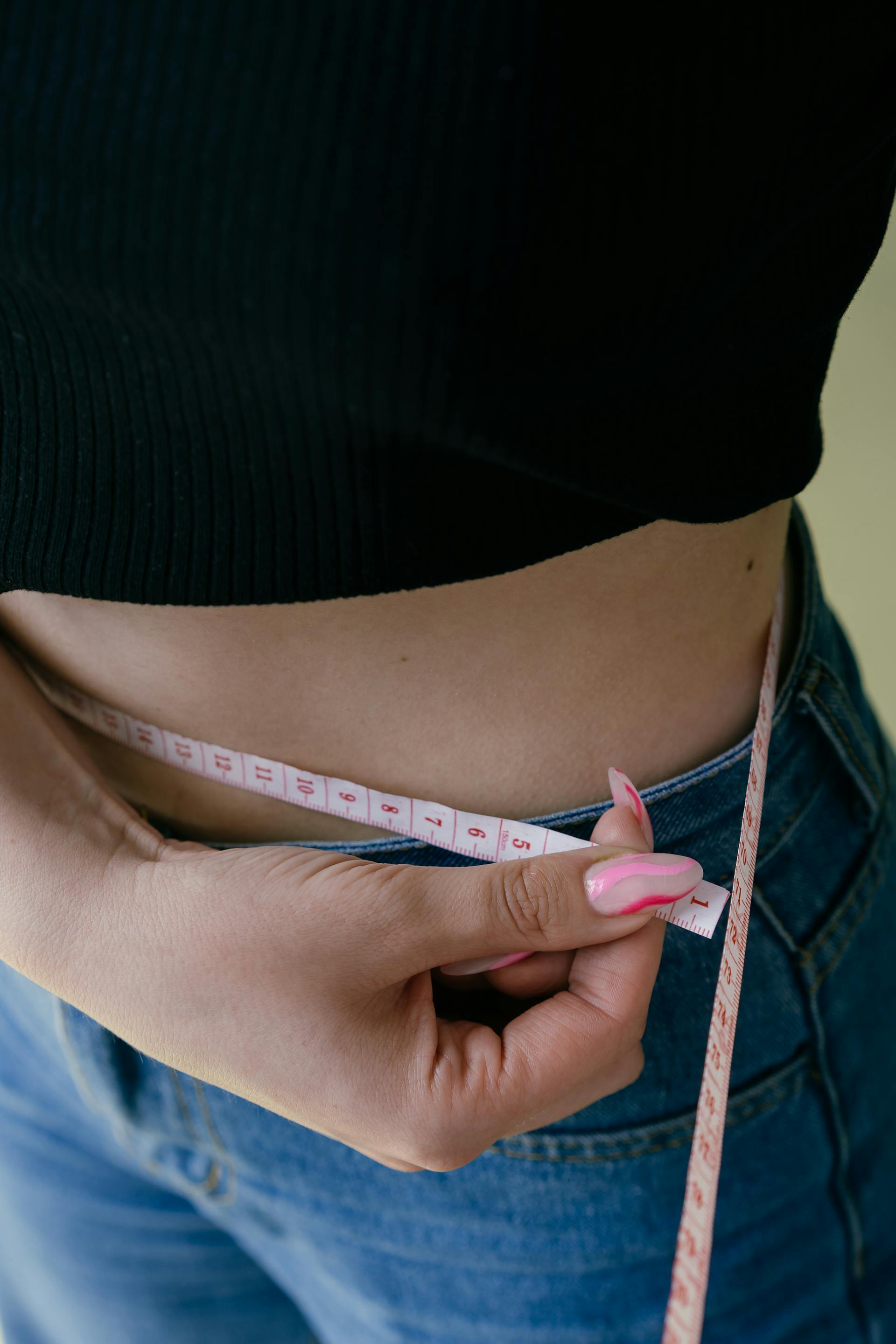
Don't Obsess: Body fat percentage is just one health metric. Combine with waist circumference, BMI (for tracking only), and fitness benchmarks.
Use DEXA for Baseline: If you want a clinical baseline, do one DEXA scan annually and BIA monthly.
If in Doubt, Use Multiple Methods: If results wildly differ, use average or prioritize consistency.
Key Takeaways: Trust the Process, Not the Device
No method is 100% gospel. Consistency and healthy habits matter more. Whether your bathroom scale says 18% or 25%, focus on progress (stronger, leaner, healthier)—not chasing the "perfect" number.
Body fat measurement is most valuable for catching dangerous trends: rapid fat gain, loss of muscle, or hidden obesity.
Scientific References
- Brzozowska A, et al. Comparison of four quick and reliable methods of assessing body composition in healthy adults. Nutrients. 2024;16(9):1587. doi:10.3390/nu16091587
- Bodystats Canada. Understanding body fat percentage: Methods and accuracy. Oct 24, 2024.
- LaMotte S. Are your DEXA body fat results right? NPR. Jun 26, 2025.
- Forbes Health. Body Fat Percentage: A Complete Guide. Jul 16, 2024.
- Bosaeus I, et al. Bioelectrical impedance analysis--part I: review of principles and methods. Clin Nutr. 2004;23(5):1226-1243.
- Jackson AS, et al. Reliability and validity of bioelectrical impedance in determining body composition. J Appl Physiol. 1988;64(2):529-534.
- British Heart Foundation. How to measure and calculate body fat percentage. May 20, 2024.
- Healthline. The 10 Best Ways to Measure Body Fat Percentage. Apr 28, 2018.